
Gear We Use
Step by step Build for our go to high energy fpv rig
When it comes to chasing cars, ripping through tight gaps, or pulling off those buttery close-proximity shots, this is the setup we trust.
Built from the ground up for stability, speed, and cinematic quality — no compromise.
Build Specs:
Frame: Loflo HD V3 5″
Flight Controller: KISS Ultra V2
ESC: Voltara 70A 4-in-1
Motors: T-Motor F60 Pro V4 1950KV
Video Feed & Recording: DJI O3 Unit
Camera: GoPro Hero 11 – 13 (job dependent)
Radio Link: TBS Crossfire (C2 compliant)
This rig is the backbone of our FPV shoots — rock solid in the field, silky in the air, and dialed in for pro-level results. Whether it’s high-speed tracking or dynamic indoor flythroughs, this is what gets the job done.
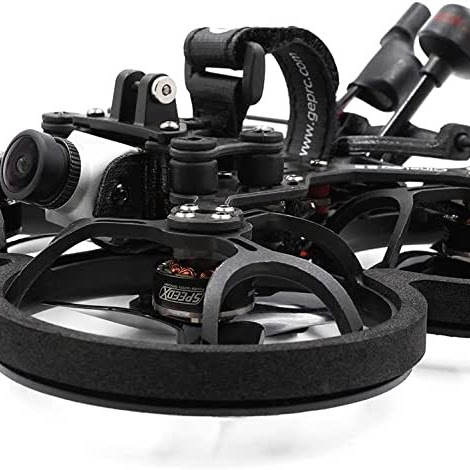
Cinewhoops
FPV cinewhoops are becoming increasingly popular among filmmakers and videographers because they offer a unique and immersive perspective that is difficult to achieve with traditional cameras. Here are some reasons why FPV cinewhoops are preferred for certain types of filmmaking:
Maneuverability: FPV cinewhoop
s are small and lightweight, which allows them to fly in tight spaces and perform complex maneuvers. This makes them ideal for capturing dynamic and immersive footage from unique perspectives that would be difficult to achieve with a traditional camera.
Stability: FPV cinewhoops are designed for stability and smooth flight. They are equipped with advanced flight controllers and gyroscopes that help to stabilize the drone during flight. This results in smooth and steady footage, even during fast movements and high-speed flight maneuvers.
Safety: FPV cinewhoops are generally considered to be safer than traditional drones because of the ducted design that keeps one safe from prop strikes also they are also smaller and lighter . This means that they pose less of a risk to people and property in the event of a crash or collision. Additionally, because they are generally flown in closer proximity to the operator, they can be more easily controlled and monitored during flight.
Noise: FPV cinewhoops are much quieter than traditional drones, which makes them ideal for use in noise-sensitive areas such as residential neighborhoods and wildlife habitats.
Overall, FPV cinewhoops offer a unique and immersive perspective that is difficult to achieve with traditional cameras. They are safe, maneuverable, and stable, which makes them an ideal choice for certain types of filmmaking and videography
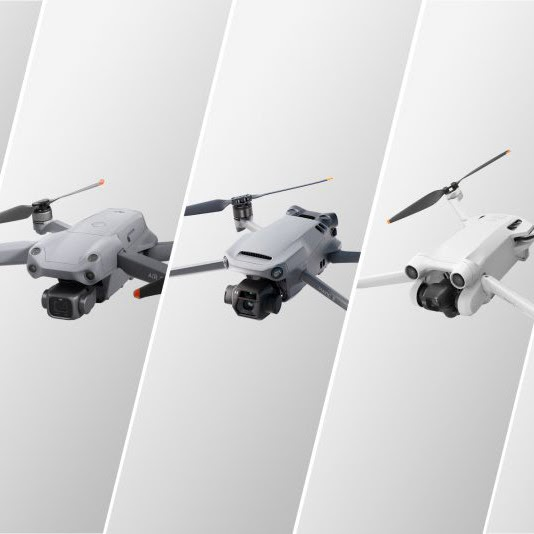
Mavic series ( Dji )
The DJI Mavic series of drones are popular for their compact size, portability, and high-quality camera capabilities. Here are some things that you can film with a Mavic drone:
Aerial landscapes and nature: The high-resolution camera on a Mavic drone is perfect for capturing stunning aerial footage of landscapes, natural wonders, and wildlife. You can capture sweeping vistas, soaring mountains, and pristine forests from unique perspectives.
Sports and action: Mavic drones are great for capturing fast-paced action footage of extreme sports such as mountain biking, skiing, and snowboarding. You can use the drone to follow the action and capture unique angles and perspectives that would be difficult to achieve with a traditional camera.
Real estate: Mavic drones can be used to capture aerial footage of properties and land for real estate purposes. You can showcase properties, highlight features, and give potential buyers a better sense of the property’s location and surroundings.
Weddings and events: Mavic drones can capture stunning aerial footage of weddings, concerts, and other events. This can help to create a unique and immersive experience for the audience.
Film and cinematography: Mavic drones are increasingly being used in filmmaking and cinematography. They can be used to capture dynamic and cinematic shots that were previously difficult or impossible to achieve.
Inspection and surveying: Mavic drones can be used for inspection and surveying purposes, such as inspecting buildings, bridges, and other infrastructure. This is useful for identifying potential issues and conducting surveys in difficult-to-reach areas.
Overall, the Mavic series of drones offer a wide range of possibilities for filmmakers, photographers, and other professionals. With their high-quality cameras and portability, they can capture unique and stunning footage from a variety of perspectives
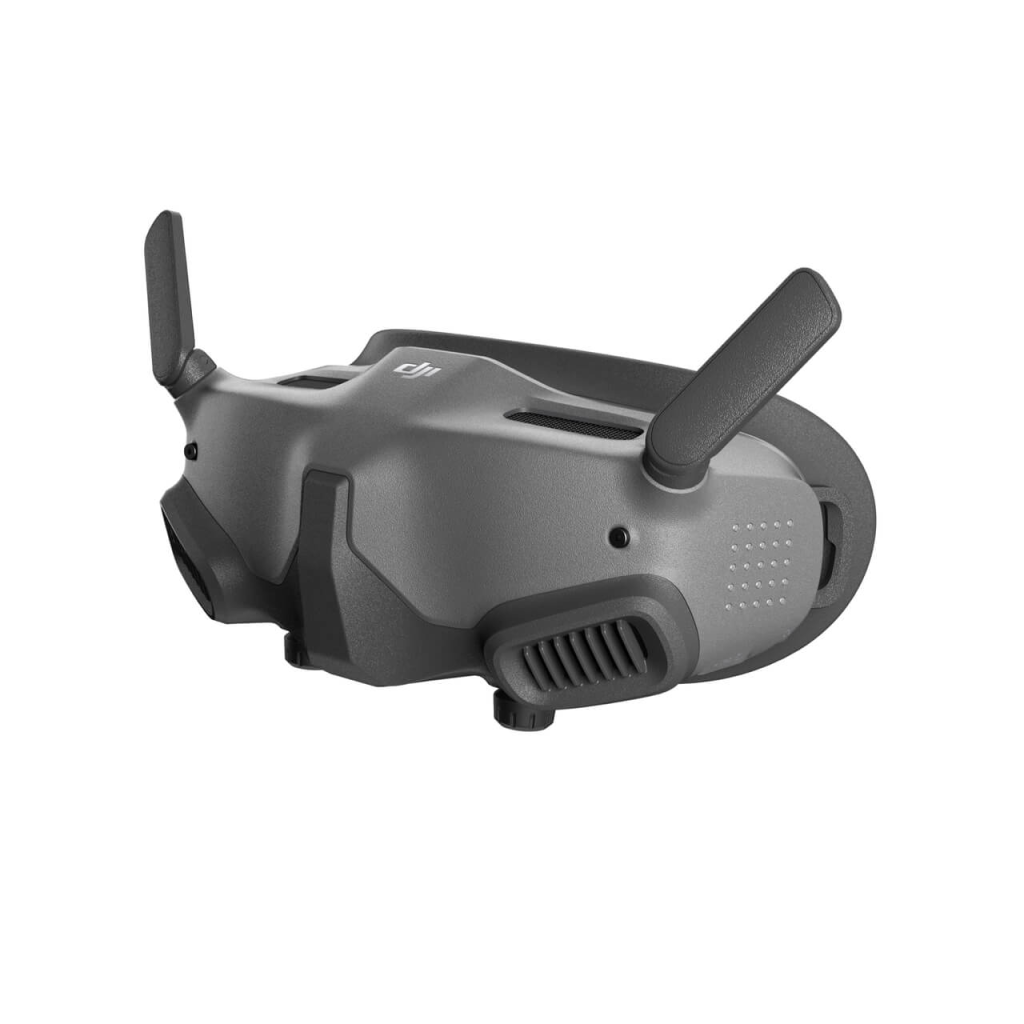
Digital Fpv Goggles
Our digital FPV goggles provide an immersive first-person view, allowing for precise and responsive drone piloting. These goggles offer crystal-clear video transmission and low latency, making them essential for capturing dynamic shots and navigating tight spaces during FPV operations. They ensure we maintain full control and situational awareness in every flight.
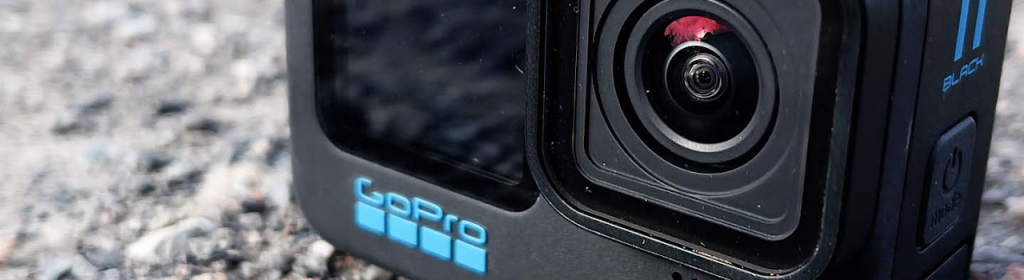
GoPros
We use GoPro cameras to capture high-quality action footage, whether mounted on FPV drones for dynamic aerial shots or used on the ground for behind-the-scenes content. Known for their durability, 4K resolution, and wide-angle lenses, GoPros allow us to deliver stunning visuals in even the most challenging environments. They’re a key tool in documenting and enhancing our drone operations.
C2 link (command and control link)
A C2 link (command and control link) refers to the communications link between a UAV (unmanned aerial vehicle) and its ground station that is responsible for managing and controlling the UAV. C2 links are essential in drone operations where the aircraft is being remotely piloted by a human or is programmed to fly autonomously. Drone is a generic term used to refer to any unmanned or remotely piloted aircraft including the RPAS (Remotely Piloted Aircraft System) and UAS (unmanned aircraft system).
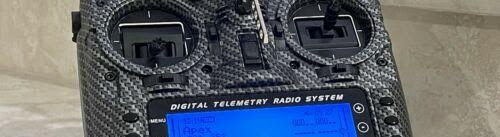
The Taranis X9D radio is a popular and reliable radio transmitter used in the remote control of unmanned aerial vehicles (UAVs), commonly referred to as drones. The TBS Crossfire TX is a long-range radio transmitter designed specifically for drone use. When used together, these two components provide an effective and reliable command and control (C2) link for drone pilots.
The Taranis X9D radio is popular among drone pilots because of its high level of customization and flexibility. It features an OpenTX firmware that allows users to configure the radio to their specific needs. Additionally, the Taranis X9D has a large number of switches and knobs that can be assigned to different functions, making it easy for pilots to control their drones in different situations.
The TBS Crossfire TX is a long-range radio transmitter designed for use with drones. It uses a frequency-hopping spread spectrum (FHSS) protocol to provide reliable and secure communication between the drone and the pilot. The TBS Crossfire TX has a range of up to 40km, which makes it ideal for long-range drone flights.
When used together, the Taranis X9D and TBS Crossfire TX provide a reliable and customizable C2 link for drone pilots. The Taranis X9D allows pilots to control their drones with precision, while the TBS Crossfire TX provides a long-range link that can be used to control the drone from a distance. This combination is particularly useful for drone pilots who need to operate their drones in remote locations or in areas with poor or no cellular coverage.